SEO and Web Design: Why You Need Both Working Together (And What That Actually Looks Like)
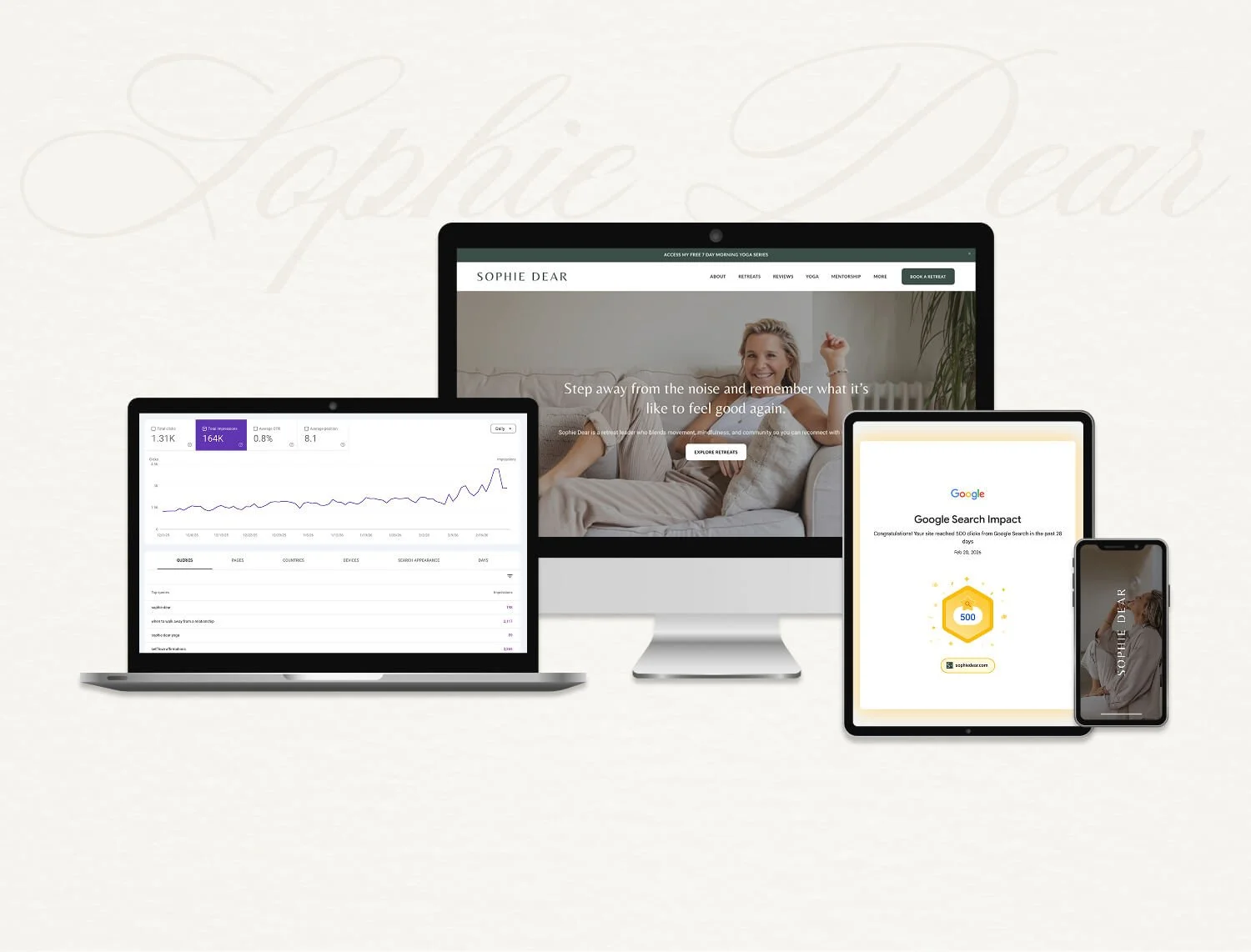
Most health practitioners who come to me have already invested in one or the other. Either they have a website that looks great and gets zero traffic, or they've put effort into SEO and people are landing on a site that does nothing with them once they arrive. Both situations are frustrating, and honestly, both are avoidable.
SEO and web design aren't two separate projects you do in sequence. They work together or they don't really work at all. A website built without any SEO thinking behind it will sit there looking beautiful while your ideal clients find someone else. And driving traffic to a site that isn't built to convert is just an expensive way to watch people leave.
If you're a functional medicine provider, therapist, nutritionist, or any kind of health and wellness practitioner, this is one of the more important business decisions you'll make.
What Most People Get Wrong About SEO and Web Design
Here's what typically happens. A practitioner hires a designer, gets a nice-looking site built, and then either tries to figure out SEO themselves afterward or brings in someone new to handle it. The problem is those two people never talked to each other. The designer didn't know what keywords mattered for the practice. The SEO person is now trying to work around a site structure that wasn't built with search in mind.
This is where a lot of money gets wasted, and it's not really anyone's fault. It's just what happens when web design and SEO are treated as separate conversations instead of one.
To make it more concrete: I worked with a therapist in private practice who had invested in a well-designed Squarespace site. It looked professional and she was proud of it. About six months in, she was still getting almost all her referrals through Psychology Today because the site wasn't showing up for anything people were actually searching. Her designer had moved on, and she was now being quoted $1,500 a month for an SEO retainer to fix a foundation that could have been set up correctly from the start. That's a really common story and it doesn't have to be yours.
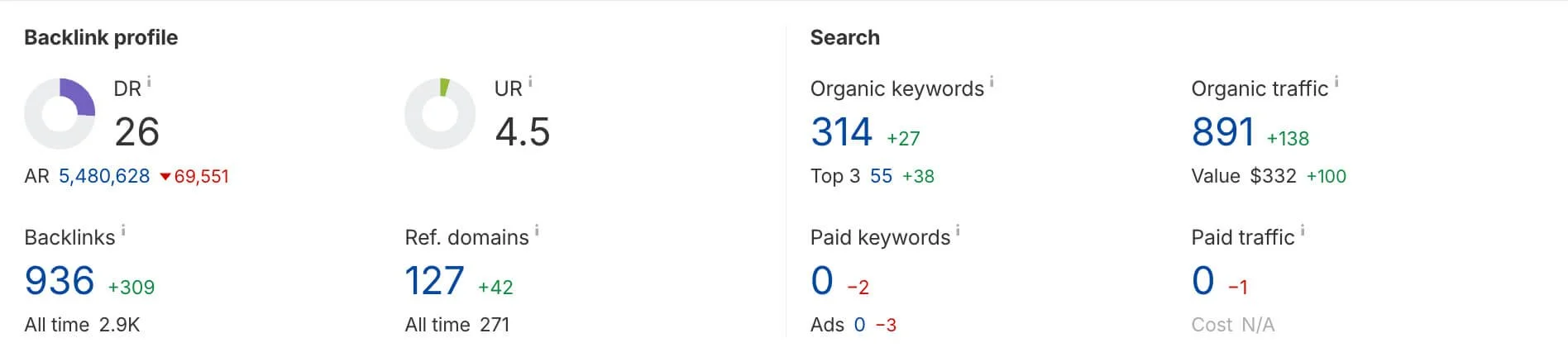
Organic SEO and web design metrics from a past health and wellness clients
What "SEO and Web Design" Actually Means
When I talk about these two things working together, here's what that looks like in practice.
Site structure is an SEO decision. How your pages are organized, what the URLs look like, whether you have dedicated pages for each service or lump everything into one tab — all of that affects how Google reads and categorizes your site. A designer thinking about SEO builds the site map with search intent in mind, not just what looks tidy in the navigation.
Your copy does two jobs at once. The words on your site need to tell real people what you do and make them feel like you're the right fit, and at the same time signal to search engines what you should be ranking for. Most practitioners write their own copy without thinking about keywords at all, or they hire someone focused purely on conversion without considering discoverability. Good website copy handles both. If you want to see what that looks like for a specific niche, this post on website design for mental health professionals is a good reference.
Technical decisions affect your rankings. Page speed, mobile responsiveness, image file sizes, header tag structure — these are all choices made during the design and build process that directly impact where Google places you. A designer who understands SEO makes different decisions than one who doesn't, and those differences compound over time. If you want a more detailed breakdown of exactly what gets missed during most builds, this post on SEO friendly web design covers the specifics.
Local SEO has to be built in from the start. If you have a physical location or serve a specific region, the geographic signals on your site need to be intentional. Local web design and SEO aren't things you add later, they're part of how the site gets structured in the first place.
Why Health Practitioners Especially Need This
Most general web design and SEO advice is written with e-commerce or tech companies in mind. The considerations for a functional medicine clinic or a private therapy practice are genuinely different.
The people searching for your services are usually ready to book. Someone typing "functional medicine doctor Chicago" or "women's health nutritionist Los Angeles" isn't browsing casually. They have a specific problem and they're looking for the right person to help them with it. That changes the stakes of where you rank. Page two might as well not exist for searches like that.
You also likely have multiple services that each deserve their own dedicated page. A lot of practitioners make the mistake of listing everything under one generic Services tab. From an SEO standpoint, each service — hormone therapy, gut health, fertility support, nutrition coaching, whatever your scope includes — is its own ranking opportunity. A site built with SEO in mind gives each of those services room to breathe and be found.
And even if you're fully virtual, your location still matters for search. Telehealth practitioners consistently get inquiries from people in their state or city because that's how people search. Local web design and SEO strategy means those signals are built into your site from day one. For more on how this plays out for wellness-specific practices, this post on web design for holistic practitioners goes deeper.
What Web Design and SEO Packages Actually Include
If you're comparing web design and SEO services or trying to understand what an integrated scope actually covers, here's what it should look like. This is how I approach it at Brand With Impact.
Keyword research happens before anything else. Before a single page is laid out or a word of copy is written, we need to know what your ideal clients are actually searching for, what the realistic ranking opportunities are, and where you have a shot at showing up. Those answers shape everything that comes after.
Site architecture is built around search intent. The number of pages, what they're called, how they link to each other — this gets mapped out with both the user experience and search visibility in mind. Most health practitioners don't need a massive site, but they do need the right pages structured the right way. Here's a look at healthcare logo design examples across different specialties if you want a reference point for what that looks like.
Copy is written to convert and to rank. This isn't about stuffing keywords into sentences until they sound weird. It's about writing in a way that genuinely answers what your ideal client is searching for while naturally using the language they used to find you. Those things should align if you know your audience well enough.
On-page SEO gets set up during the build. Meta titles, meta descriptions, header hierarchy, image alt text, internal linking — all of this is handled as part of the project, not retroactively patched in afterward.
Google Search Console gets connected from day one. So Google knows your site exists, can crawl it properly, and you have data coming in from the start.
Speed and mobile experience are non-negotiable. Most of your potential clients are going to find you on their phones. Google knows this too and factors it into rankings. This gets baked into the build, not bolted on later.
How Long Does It Take to See Results from SEO?
Organic SEO takes time and it's worth being honest about that upfront. For most sites, three to six months is a realistic window before you start seeing meaningful movement in traffic, and that assumes the foundation is solid. This is usually why practitioners feel like SEO doesn't work — they expected it to move faster than it does.
What I tell clients is that the best time to get this right was when you first built the site. The second best time is now. Referrals slow down. Instagram reach fluctuates. Directory listings get more competitive. A site that ranks well and converts the traffic it gets is the thing that keeps working in the background regardless of what else is happening in your business. The practitioners who benefit most from this are usually the ones who invested in it before they were desperate for it.
What to Look for When Hiring for Both
If you're evaluating designers or agencies that offer web design and SEO marketing together, a few things are worth paying attention to.
They should ask about your business goals before they ask about your aesthetic preferences. What does a successful practice look like in 12 months? Who are you trying to reach? What do you want people to do when they land on your site? Those questions matter more than what fonts you like.
Keyword research should be part of the discovery process, not something they mention as an optional add-on. If SEO feels like an afterthought in how they're scoping the project, it probably will be in how they build it too.
They should be able to explain why the site is structured the way it is in plain language. Not "it's good for SEO" as a blanket answer, but an actual explanation of the thinking behind each decision.
And they should have real experience with practitioners in your field. Health and wellness web design involves specific nuances around how you talk about outcomes, how you build trust with an audience that's often been let down before, how you handle intake forms and booking in a way that feels safe and professional. That context matters a lot, and it's not something a generalist designer picks up quickly.
After building sites for health and wellness practitioners for over seven years, my website process is built around exactly this combination of design and strategy. You can take a look at some of the work in my portfolio.
Ready to Talk
If you have a site that isn't bringing in the right clients, or you're starting fresh and want to build it correctly the first time, this is exactly what web design and SEO services should do together. Let's get in touch and talk about what that looks like for your practice.